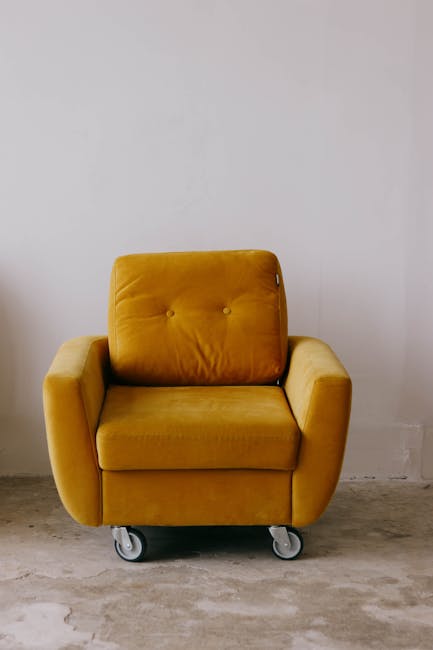
SW3 upholstery cleaning tips for Chelsea house owners
If you live in SW3, you already know the furniture in a Chelsea home works hard. Sofas catch daily traffic, dining chairs pick up crumbs and drink marks, and armchairs quietly absorb dust, body oils, and the odd splash that happens when life is moving fast. These SW3 upholstery cleaning tips for Chelsea house owners are designed to help you keep fabrics looking elegant for longer without damaging delicate materials or creating more work for yourself later.
Truth be told, upholstery cleaning is one of those jobs people put off until a stain becomes impossible to ignore. But with the right approach, it does not have to feel complicated. In this guide, you will learn how upholstery cleaning works, which methods suit different fabrics, what to avoid, and when it makes more sense to call in a specialist. We will also cover practical routines that fit real Chelsea homes, from compact apartments to larger period properties.
If you want a broader look at the service itself, it can help to understand professional upholstery cleaning alongside sofa-focused care and general soft furnishings maintenance. That context makes the tips below much easier to use properly.
Table of Contents
- Why SW3 upholstery cleaning matters
- How upholstery cleaning works
- Key benefits and practical advantages
- Who this is for and when it makes sense
- Step-by-step guidance
- Expert tips for better results
- Common mistakes to avoid
- Tools, resources and recommendations
- Law, compliance, standards, or best practice
- Options, methods, or comparison table
- Case study or real-world example
- Practical checklist
- Conclusion
- Frequently asked questions
Why SW3 upholstery cleaning tips for Chelsea house owners Matters
Upholstery is one of the biggest visual anchors in a home. A clean sofa can make a room feel brighter, more expensive, and better cared for. A tired one does the opposite. In Chelsea, where many homes are styled with a mix of classic and contemporary pieces, upholstery often carries a lot of the room's personality. That means cleaning is not just about hygiene. It is about preserving the feel of the space.
For house owners in SW3, there are a few local realities that make upholstery care especially relevant:
- Many homes use high-quality fabrics that react badly to guesswork.
- Older furniture may have worn seams, fading, or mixed materials that need careful treatment.
- Busy households, entertaining, pets, and frequent visitors all increase the rate of soiling.
- Flats and townhouses can have limited drying space, so method matters.
There is also the simple fact that upholstery collects more than most people realise. Dust settles into fibres. Skin contact leaves residue. Spills spread quietly into the padding. The room may still smell fine for now, but over time the fabric starts to look flat and a bit shabby. A good routine interrupts that process early.
And yes, a carefully cleaned sofa can save you money. Not in a dramatic, magical way - but by helping you delay replacement, reduce stain damage, and protect the fabric from avoidable wear. That is especially useful when you have invested in a piece you actually like, which, let's face it, is the whole point.
How SW3 upholstery cleaning tips for Chelsea house owners Works
At its core, upholstery cleaning is about three things: identifying the fabric, removing loose dirt, and treating stains or embedded grime in a way the material can tolerate. That sounds simple. In practice, the detail matters a lot.
Most upholstery cleaning methods fall into one of these categories:
- Dry soil removal - vacuuming and brushing to lift dust, crumbs, and pet hair.
- Spot treatment - tackling specific stains with controlled products and light moisture.
- Deep cleaning - using extraction, low-moisture systems, or specialist solvents depending on the fabric.
- Protection and maintenance - drying properly, reshaping cushions, and reducing future staining.
The right method depends on the textile. Cotton blends, linen, velvet, wool, synthetics, and leather all behave differently. A technique that works beautifully on a synthetic sofa may ruin a natural fibre. That is why experienced cleaners always check the manufacturer's care label first. If the label is missing, faded, or hard to read, caution is the smarter route.
One useful rule: the fabric should guide the method, not the stain. If a red wine spill lands on a delicate armchair, you do not automatically reach for the strongest cleaner available. You start with the gentlest safe approach and work up carefully. Anything else can set the stain, distort the pile, or leave a permanent water ring. Not ideal.
In many Chelsea homes, the best results come from combining light regular upkeep with periodic deep cleaning. A weekly vacuum, immediate spill response, and professional-grade cleaning every so often will usually outperform a "wait until it looks bad" approach by a wide margin.
Key Benefits and Practical Advantages
Good upholstery care does more than improve appearance. It also changes how the room feels and how long your furniture lasts. That matters in a home where comfort and presentation both count.
| Benefit | What it means in real life | Why Chelsea homeowners notice it |
|---|---|---|
| Better appearance | Cleaner fibres, brighter colour, fewer visible marks | Smart interiors look more polished with minimal effort |
| Improved comfort | Less dust and grit in seat cushions | Sofas feel fresher during everyday use |
| Longer fabric life | Less abrasion from embedded dirt | Quality furniture lasts longer before replacement is needed |
| Odour control | Reduces stale smells from spills, pets, or damp | Helpful in enclosed rooms and flats |
| Better hygiene | Removes common household dirt and allergens | Useful for busy homes, children, and pets |
There is also a less obvious benefit: confidence. You stop worrying about every minor spill. You know what can be blotted, what should be left alone, and when it is time to get help. That kind of calm is underrated.
Another advantage is consistency. Once you understand how your upholstery behaves, you can clean it more evenly rather than chasing random marks as they appear. The result is a sofa or chair that ages gracefully instead of looking patched-up.
Who This Is For and When It Makes Sense
These tips are useful for a fairly wide range of Chelsea house owners, but they are especially relevant if any of the following sounds familiar:
- You have a light-coloured sofa or armchair that shows marks quickly.
- You own velvet, wool, linen, or other delicate fabrics.
- Your home includes children, pets, or frequent guests.
- You are preparing for visitors, sale, rental, or a seasonal refresh.
- You have noticed odours, dull patches, or flattened cushions.
- You have tried DIY cleaning before and the result was a bit patchy. Happens more often than people admit.
It also makes sense to pay attention if your furniture is part of a larger interior scheme. In many SW3 homes, upholstery is not just functional; it is part of the decor. A single stained chair can throw off the whole room. That may sound dramatic, but anyone who has spent time styling a sitting room knows it is true.
For some people, the right move is regular self-maintenance and occasional professional help. For others, particularly with expensive or delicate pieces, the safest approach is to minimise home treatment and focus on prevention. There is no prize for doing it the hard way.
Step-by-Step Guidance
If you want a practical routine that works in real homes, follow this order. It keeps the process controlled and reduces the risk of damage.
- Check the care label first. Look for cleaning codes and fabric guidance. If the label says dry clean only or warns against water, treat that seriously.
- Vacuum thoroughly. Use an upholstery attachment and go slowly, including seams, piping, buttons, under cushions, and the back of the piece. You will be surprised how much dust hides there.
- Test any cleaner in a hidden spot. Wait for drying before judging the result. Some fabrics darken or change texture once wet.
- Spot clean carefully. Blot the stain with a clean white cloth. Avoid rubbing. Rubbing can spread the stain and rough up the pile.
- Use the right moisture level. A little is usually better than a lot. Over-wetting is one of the most common causes of rings and lingering smells.
- Work from the outside in. This helps stop stains spreading.
- Allow proper drying. Open windows if conditions permit, use gentle airflow, and keep cushions positioned so air can circulate.
- Reset the fabric. Brush the pile if needed, reshape cushions, and check for tide marks once dry.
A practical example: if someone spills tea on a fabric sofa at about 8 pm, the best response is usually to blot gently, lift as much liquid as possible, and avoid stacking on product after product. It sounds almost too simple, but fast, careful action often beats aggressive treatment later. That is the truth of it.
If the stain remains after drying, stop there and reassess. A second round of cleaning may be appropriate, but pushing too hard can make the problem worse. Slightly frustrating? Yes. Better than wrecking the armrest? Also yes.
Expert Tips for Better Results
Experienced cleaners do not just work harder. They work more selectively. Small choices make a big difference.
1) Match the method to the fabric
Velvet, linen, microfibre, wool, and synthetic blends each react differently to moisture and agitation. If you are not sure what you have, do not guess. A quick fabric check can save a lot of regret.
2) Control moisture from the start
Too much water is a common problem in DIY upholstery cleaning. It can lead to rings, slow drying, and a slightly sour smell. A lightly damp cloth is often safer than an enthusiastic soak.
3) Think in layers, not just stains
Some of the dirt in upholstery is not visible at first glance. Body oils, dust, and fine debris settle below the surface. That is why upholstery can look dull even when it does not look dirty. Layered cleaning addresses that build-up more effectively.
4) Act quickly, but calmly
Fresh spills are usually easier to handle. Still, quick does not mean frantic. Blot, pause, assess, then continue. A calm response often gives a better result than a rushed one.
5) Drying is part of cleaning
A piece that still feels damp at the end of the job is not finished. Proper drying protects against odour and helps the fabric keep its shape. Open windows if the weather allows, and avoid sitting on it too soon. I know, tempting, but give it time.
6) Make cushion rotation a habit
If your sofa cushions are reversible, rotate and flip them regularly. This reduces uneven wear and helps the cleaned areas age more evenly. Small habit, big payoff.
One more thing: if a fabric starts to fray, pill, or lose its finish, be gentler than usual. In those moments, preservation matters more than perfection. A slightly imperfect sofa that survives is better than a "perfect" clean that causes damage.
Common Mistakes to Avoid
Most upholstery problems are not caused by one dramatic error. They are usually caused by a few small missteps repeated over time.
- Rubbing stains aggressively. This pushes the mark deeper and can damage the fibre surface.
- Using the wrong product. Household cleaners are not automatically suitable for upholstery.
- Skipping a fabric test. Always test first, even if the product claims to be gentle.
- Over-wetting the material. Excess moisture can create rings, shrinkage, or mildew risk.
- Cleaning only the stain. Spot treatment alone can leave a visible patch around the treated area.
- Ignoring hidden dirt. Seams, backs, and cushion undersides matter too.
- Putting cushions back too soon. Damp padding can trap odour and take much longer to dry.
Here is a subtle one people miss: using too much pressure while vacuuming delicate fabric can flatten the pile and make the area look tired. A lighter touch, with the right attachment, is usually better. Not glamorous, but effective.
And yes, kitchen paper has its limits. It is useful for initial blotting, not for scrubbing a stain into submission like it owes you money.
Tools, Resources and Recommendations
You do not need a cupboard full of specialist products to maintain upholstery well. In most Chelsea homes, a few sensible tools do most of the work.
- Upholstery vacuum attachment - for regular dust and debris removal.
- Soft brush - useful for lifting fibres and loosening dry dirt gently.
- Clean white microfibre cloths - better than coloured cloths, which may transfer dye.
- Mild, fabric-safe cleaner - choose only products suitable for upholstery.
- Fan or good airflow - helps drying without overheating the fabric.
- Protective throw or armrest cover - especially useful in busy households.
If you are planning more than a quick refresh, it may be worth reviewing how upholstery cleaning fits with other household services. For example, a broader deep cleaning visit can help when several soft surfaces need attention at once, while sofa cleaning is often the most direct route for the biggest seating piece in the room.
For homeowners with mixed soft furnishings, it can also help to think about related items. A rug, for example, can share similar soil patterns with upholstery. If both are being refreshed, the room tends to feel more balanced. You may also find the advice on rug cleaning useful if there is a lot of foot traffic in the space.
Law, Compliance, Standards, or Best Practice
For domestic upholstery cleaning, there is usually no special legal hurdle for a house owner doing basic maintenance at home. That said, best practice still matters, especially if you hire a professional or use stronger products.
Here are a few sensible standards to keep in mind:
- Follow manufacturer care instructions. This is the starting point for safe cleaning.
- Use products as directed. More product does not equal better cleaning.
- Keep ventilation in mind. This is especially useful with any cleaning chemical, however mild it may seem.
- Ask about insurance when using a cleaning company. Reputable firms should be able to explain how they handle accidental damage and safety measures.
- Check health and safety practices. A trustworthy cleaner should understand fabric risks, drying times, and appropriate working methods.
If you are comparing providers, it is reasonable to look for clear information on insurance and safety, as well as how the company approaches health and safety. Those pages can tell you a lot about how carefully a business operates.
For payment, privacy, and complaint handling, a professional service should also be transparent. That does not sound exciting, but trust is built in the boring details. It really is.
Options, Methods, or Comparison Table
Not every upholstery job needs the same approach. A quick comparison can help you decide what is appropriate.
| Method | Best for | Pros | Watch-outs |
|---|---|---|---|
| Light vacuuming | Regular upkeep | Fast, low risk, good for dust | Won't remove set-in stains |
| DIY spot cleaning | Fresh spills on suitable fabrics | Convenient and cost-conscious | Higher risk if fabric type is unknown |
| Low-moisture cleaning | General refresh and light soil | Less drying time than wet methods | May not suit all stain types |
| Hot water extraction | Heavily soiled durable fabrics | Can clean deeply and lift embedded grime | Too much moisture for delicate pieces |
| Professional specialist care | Delicate, valuable, or awkward items | Lower risk, better fabric matching | Costs more than DIY |
If you are unsure, the safest decision is usually the method that applies the least stress to the fabric while still solving the problem. In real homes, restraint wins more often than bravado.
Case Study or Real-World Example
Consider a Chelsea family living in a townhouse with a cream fabric corner sofa in the main sitting room. The sofa sees daily use, plus the occasional glass of red wine during dinner with friends. Over time, the seating area starts to look slightly grey in the high-contact zones, and the arms carry a faint body-oil sheen. Nothing dramatic. Just enough to bother you each time you walk past.
The homeowner starts with regular vacuuming using a soft attachment, which removes a surprising amount of dust from the seams. A fresh tea mark is blotted immediately rather than rubbed. For the general dullness, the owner checks the care label, tests a small hidden section, and then decides the sofa is better suited to a careful professional clean than more DIY attempts. The fabric brightens, the cushions look fuller, and the room feels cleaner without changing a single piece of furniture.
What made the difference? A few things, really:
- They acted before the soil became deeply embedded.
- They matched the method to the fabric instead of forcing a one-size-fits-all fix.
- They treated drying and finishing as part of the job.
- They avoided repeated harsh scrubbing, which would have worn the fabric faster.
That is the part many people underestimate. The best upholstery cleaning is rarely dramatic. It is controlled, patient, and a bit unglamorous - but the results can be quietly excellent.
Practical Checklist
Use this as a simple pre-clean and post-clean reminder.
- Check the care label before anything else.
- Vacuum the entire piece, including seams and under cushions.
- Test any cleaner in a hidden area.
- Blot spills; do not rub.
- Use minimal moisture.
- Work from the outside of the stain inward.
- Avoid mixing cleaning products.
- Allow full drying before normal use.
- Rotate cushions if possible.
- Stop and reassess if the fabric looks worse after treatment.
- Call a specialist for delicate, valuable, or uncertain fabrics.
If you keep this list in mind, you will avoid most of the common problems people run into with upholstery care. Simple, really. But not always easy when you are dealing with a fresh spill on a Friday night.
Conclusion
Strong upholstery care is not about doing everything yourself. It is about knowing what the fabric needs, responding quickly to spills, and using the least risky method that will still get the job done. For Chelsea house owners, that approach protects both the look and life of your furniture, which is especially valuable in homes where presentation matters as much as comfort.
The best SW3 upholstery cleaning tips for Chelsea house owners are the practical ones: vacuum regularly, treat stains gently, respect the care label, and do not over-complicate a job that only needs steady hands and good judgement. If a piece is expensive, delicate, or already showing wear, bringing in a professional can be the wiser move. No shame in that at all.
And if you keep your upholstery fresh, your whole room tends to feel calmer. Cleaner. More settled. That small difference can change how home feels at the end of the day, especially after a busy London afternoon and the first quiet moment when you finally sit down.
Get a free quote today and see how much you can save.
Frequently Asked Questions
How often should Chelsea house owners clean upholstery?
Light vacuuming is usually worth doing weekly or every couple of weeks, depending on use. Deeper cleaning is often needed less often, but the right timing depends on the fabric, household traffic, pets, and how quickly marks appear.
Can I clean upholstered furniture myself?
Yes, for light upkeep and some fresh spills, provided the care label allows it and you use a gentle method. For delicate fabrics, large stains, or expensive pieces, professional help is often safer.
What is the safest way to remove a fresh stain?
Blot it gently with a clean white cloth and avoid rubbing. Start with the least aggressive approach possible and test any cleaner in a hidden spot first.
How do I know if my sofa fabric is suitable for water-based cleaning?
Check the care label first. If the label is missing or unclear, treat the fabric cautiously. When in doubt, use the gentlest method or ask a specialist.
Why does my sofa look dirty even after vacuuming?
Vacuuming removes loose dirt, but not all embedded grime, body oils, or staining. That dull look often means the fabric needs a deeper refresh rather than more surface vacuuming.
Is steam cleaning always a good idea for upholstery?
Not always. Steam can be useful for certain durable fabrics, but it may damage others or leave excess moisture behind. The fabric type should always decide the method.
How long does upholstery take to dry after cleaning?
Drying time varies depending on the method used, room airflow, humidity, and fabric thickness. Good ventilation helps a lot, but avoid using the furniture again until it is fully dry.
What upholstery mistakes cause water marks?
Over-wetting, uneven cleaning, and not drying the fabric properly are common causes. Cleaning only one small area without blending the surrounding fabric can also leave a visible edge.
Are professional upholstery cleaning services worth it?
They can be, especially for delicate, valuable, or heavily used furniture. A professional service is often the better choice when you want lower risk, deeper cleaning, or more confident stain treatment.
Can upholstery cleaning help with odours?
Yes, particularly when the smell comes from everyday soil, spills, pets, or trapped dust. If the odour persists after cleaning, the padding or underlying material may need specialist attention.
What should I ask before booking a cleaner in SW3?
Ask about fabric experience, cleaning methods, drying expectations, insurance, and how they handle delicate materials. A clear answer is a good sign. A vague answer is not.
Does upholstery cleaning damage antique or vintage furniture?
It can if the wrong method is used. Older pieces often need extra caution because the fabric, stuffing, and stitching may be more fragile than modern furniture.
For many Chelsea homes, the secret is simple: treat upholstery gently, stay consistent, and do not wait until a small mark becomes a bigger job than it needs to be. That little bit of care goes a long way.