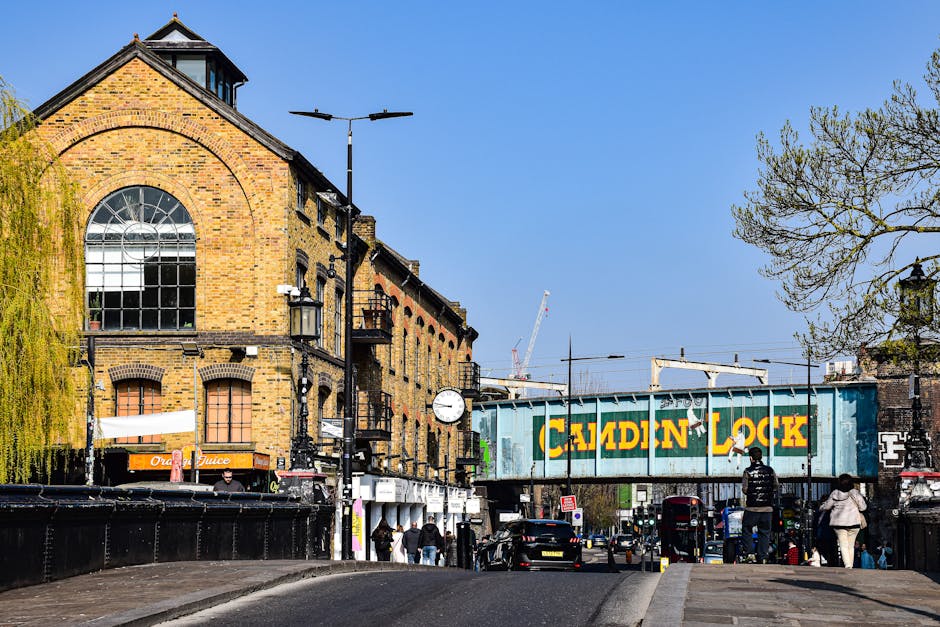
Camden Town sofa cleaning guide for terrace flats London
If you live in a terrace flat in Camden Town, you already know the drill: narrow stairs, tight landings, not much storage, and a sofa that seems to collect everything from daily dust to the odd coffee splash. This Camden Town sofa cleaning guide for terrace flats London is here to make the whole thing feel manageable. Whether your sofa is fabric, velvet, or leather, the right approach can freshen it up without turning your flat into a damp, soapy headache.
Let's face it, sofa cleaning in a terrace flat is not just about the sofa. It's about access, drying space, neighbours below you, and avoiding moisture where it really shouldn't be. In a busy part of London, that matters. This guide walks you through how sofa cleaning works, when it makes sense to tackle it yourself, when professional upholstery cleaning is the safer call, and what to do to get the best result without fuss.
We'll also cover common mistakes, useful tools, and a realistic step-by-step method you can use in a Camden Town home without needing a giant living room or a spare drying area. A bit of common sense goes a long way here.
Table of Contents
- Why Camden Town sofa cleaning guide for terrace flats London matters
- How Camden Town sofa cleaning guide for terrace flats London works
- Key benefits and practical advantages
- Who this is for and when it makes sense
- Step-by-step guidance
- Expert tips for better results
- Common mistakes to avoid
- Tools, resources and recommendations
- Law, compliance, standards, or best practice
- Options, methods, or comparison table
- Case study or real-world example
- Practical checklist
- Conclusion
- Frequently asked questions
Why Camden Town sofa cleaning guide for terrace flats London Matters
Camden Town terrace flats tend to have a very particular layout. Rooms can be compact, windows may not open wide, and stairs or split-level access can make moving furniture awkward. That means sofa cleaning is never just "clean the sofa and crack on". You need a plan that suits the space.
A sofa in a London flat takes a lot of wear. Think crumbs from late-night snacks, pet hair, street dust carried in on coats, and everyday body oils. In humid weather, fabric can start to feel tired faster than you expect. If you're near busier roads or live with doors and windows open during warmer months, airborne grime gets into upholstery quicker too. It's just one of those city-living realities.
Cleaning matters for more than appearance. It can help reduce odours, improve comfort, and extend the life of your upholstery. If a sofa is left too long, small marks settle in and become harder to shift. A light stain becomes a set stain. A little smell becomes that stubborn "old fabric" smell. Nobody wants that in a terrace flat where the living room is often the main room, the dining room, and the social room all at once.
For landlords, tenants, homeowners, and short-let hosts, regular sofa care can also help protect fabric condition between guests or tenancies. In a city like London, where furniture gets used heavily, preventive care is usually cheaper and less disruptive than waiting until a full deep clean is needed.
How Camden Town sofa cleaning guide for terrace flats London Works
At its simplest, sofa cleaning works by removing loose dirt first, then treating spots, then lifting embedded grime from the fibres or leather surface, and finally allowing the sofa to dry properly. The exact method depends on the material and on how much space you have to work with.
In a terrace flat, the practical side matters just as much as the cleaning itself. You may need to move cushions through a narrow hallway, clean in sections, and avoid making one area too wet. Good cleaning is controlled cleaning. Not rushed, not drippy, not overdone.
Most sofas fall into one of a few broad categories:
- Fabric sofas - often respond well to vacuuming, spot treatment, and professional hot-water extraction or low-moisture methods.
- Velvet or plush fabrics - need a gentler approach and careful brushing to avoid crushing the pile.
- Leather sofas - need surface cleaning and conditioning, not soaking.
- Mixed-material sofas - require checking every care label, because one cushion can behave differently from another. Annoying, yes, but true.
Many people start with the care label. That is sensible. If the label says water-based cleaning is not suitable, don't ignore it and hope for the best. That's how water rings and texture damage happen. If you are unsure, test a hidden area first. A tiny patch at the back or under a cushion can save you a lot of trouble.
For homes where access is awkward, professional sofa cleaning is often done with portable equipment rather than large truck-mounted systems. That can be especially useful in terrace flats where parking, hoses, and outside access may be limited. It's a practical fit for London living, truth be told.
Key Benefits and Practical Advantages
A clean sofa is not only nicer to look at. It changes how the room feels. You sit down and notice the difference straight away - fresher fabric, less musty smell, and a living space that feels more looked-after.
- Better indoor comfort: Removing dust and embedded debris makes the sofa feel cleaner and more pleasant.
- Improved appearance: Marks, dull patches, and everyday traffic grime can make a sofa look older than it is.
- Odour reduction: Food smells, pet odours, and general closed-room smells often settle into upholstery.
- Longer fabric life: Dirt particles act a bit like fine grit, slowly wearing fibres down over time.
- Better guest impression: Handy for rentals, guests, or just when friends pop round without warning. Which they do.
- Less stress later: Regular maintenance usually means fewer emergency stain battles.
There is also a practical side for terrace flats specifically. A well-planned clean reduces the chance of oversaturation, which can cause drying delays or lingering dampness in a smaller home. In a compact London flat, that matters more than people sometimes realise. You do not want the sofa to smell clean but feel clammy for two days. That's not a win.
Expert summary: In terrace flats, the best sofa cleaning approach is usually the one that balances fabric safety, limited space, and controlled drying. Fancy products matter less than careful method.
Who This Is For and When It Makes Sense
This guide is useful if you live in a Camden Town terrace flat and your sofa is starting to look or smell a bit tired. It is also relevant if you rent out the flat, manage a short let, or have pets, children, or frequent guests. Basically, if the sofa gets used like a sofa and not like a museum piece, this is for you.
It makes sense to act when you notice:
- new spills or marks that haven't fully set yet
- odours that linger after airing the room
- fabric looking darker in the seat area
- flattened cushions that hold dust and crumbs
- pet hair or dander building up around seams and under cushions
- allergy flare-ups that seem worse indoors
There's a judgement call here. If the sofa has one small stain and the label is straightforward, a careful DIY clean may be enough. If the sofa is expensive, antique, delicate, or already badly marked, professional upholstery cleaning is usually the safer route. In Camden flats, space constraints can tip the balance too. If you cannot dry it properly, the job may be better left to a specialist.
People often ask whether a sofa needs deep cleaning every few months. There isn't one rule for every home. Heavy-use family sofas will need more attention than a spare-room occasional seat. A sensible approach is to inspect it regularly and clean at the first signs of build-up, rather than waiting for a dramatic rescue mission.
Step-by-Step Guidance
Here is a practical, non-dramatic way to approach sofa cleaning in a Camden Town terrace flat. It keeps the process tidy and avoids the usual mess.
-
Check the care label first.
Look for cleaning codes or manufacturer guidance. If the fabric is marked for specialist care only, don't improvise with random sprays from the cupboard.
-
Clear the area around the sofa.
Move side tables, throws, lamps, and anything breakable. In a terrace flat, narrow walkways are easy to trip over when you're carrying water or tools.
-
Vacuum thoroughly.
Use upholstery attachments and get into seams, under cushions, and around buttons. This removes grit before you introduce moisture.
-
Pre-treat visible stains.
Use the correct stain solution for the fabric type and always test first. Blot, don't scrub. Scrubbing often spreads the stain and roughs up fibres. Not ideal.
-
Clean in sections.
Work on one cushion, one arm, or one panel at a time. This keeps moisture controlled and stops you from losing track of what has been treated.
-
Use minimal moisture.
Especially in a flat, aim for enough solution to clean, not enough to soak. Over-wetting can lead to long drying times and residue.
-
Remove residue.
If your method leaves cleaner behind, follow with a clean damp cloth or extraction stage, depending on the fabric. Leftover residue can attract more dirt later.
-
Dry properly.
Open windows if weather allows, improve airflow, and keep cushions spaced out. Avoid sitting on the sofa until fully dry unless you enjoy damp sleeves.
-
Fluff and reset.
Once dry, reshape cushions and brush fabric gently where appropriate. It makes the finish look far better, and it genuinely helps the sofa settle back into shape.
If the sofa has stubborn stains, repeated spills, or a lingering smell, this is where professional support starts to make sense. You can often clean the surface yourself, but deeper contamination or delicate materials call for a more controlled approach. Sometimes the sensible move is to stop while you're ahead.
Expert Tips for Better Results
A few small habits make a big difference. Most of the best results come from restraint rather than force.
- Test every product first. Even products labelled "gentle" can affect dyes or finishes.
- Work from the outside of a stain inward. This stops the mark spreading.
- Use white cloths where possible. Coloured cloths can transfer dye, and nobody wants that surprise.
- Dry cushions separately if you can. They dry faster and more evenly that way.
- Keep the room warm but ventilated. A mild airflow helps more than blasting heat at the fabric.
- Refresh regularly rather than waiting. Light maintenance is quicker and safer than a heavy deep clean later.
- Pay attention to smell, not just appearance. Sometimes a sofa looks fine but still holds moisture, pets, or cooking odours.
One small real-world observation: in terrace flats, sofas sometimes sit close to radiators, bay windows, or awkward corners where dust gathers faster than expected. That means the back panels and lower edges can tell you more than the seat surface. A quick check there is often revealing.
And yes, a lint roller can be your friend. Not glamorous, but useful. Very useful.
Common Mistakes to Avoid
A lot of sofa cleaning problems come from trying to do too much too quickly. The good news is that most of them are avoidable.
- Using too much water: This is the big one. Excess moisture leads to long drying times and possible water marks.
- Skipping the vacuum step: If you don't remove loose debris first, you may just turn dust into paste.
- Rubbing stains aggressively: That can damage the pile, spread the stain, and make the finish patchy.
- Using the wrong product on leather: Leather needs specific care, not fabric cleaner and hope.
- Ignoring hidden areas: Under cushions and along seams is where a lot of grime hides.
- Not checking drying conditions: In a smaller flat, air circulation matters more than people think.
- Cleaning only the visible mark: Spot-cleaning one area too hard can leave a cleaner patch that stands out.
One mistake worth calling out twice: over-wetting. It sounds harmless until your sofa takes all day to dry and the room starts smelling a little off. That's the sort of thing that turns a quick tidy-up into a low-level annoyance for the rest of the week.
If you are unsure, stop and reassess. That is not failure. That is good judgement.
Tools, Resources and Recommendations
You do not need a cupboard full of specialist gear to keep a sofa in decent shape, but a few practical tools help a lot.
| Tool or resource | Why it helps | Best for |
|---|---|---|
| Upholstery vacuum attachment | Reaches seams, edges, and cushion gaps without damaging fabric | Routine maintenance and prep |
| Microfibre cloths | Useful for blotting and light surface work without leaving lint | Spills and spot treatment |
| Soft fabric brush | Helps lift pile and loosen surface dust on suitable fabrics | Velvet and textured upholstery |
| Stain-specific cleaner | Targets food, drink, or oily marks more safely than all-purpose products | Small fresh stains |
| Portable extraction equipment | Offers deeper cleaning with controlled moisture | Professional sofa cleaning |
| White towels and dry cloths | Helps blot safely and check whether dirt is still coming out | Nearly every job |
For larger home care needs, it can also help to think beyond the sofa. If the room needs a broader refresh, services like deep cleaning, domestic cleaning, or one-off cleaning may fit better than trying to handle everything in bits and pieces.
If you are comparing professional options, take a look at the company's upholstery cleaning service and, if relevant, their broader sofa cleaning offering. That makes it easier to match the method to the fabric and the flat layout.
Law, Compliance, Standards, or Best Practice
For most homeowners and tenants, sofa cleaning is not a heavily regulated task, but best practice still matters. If you hire a cleaner, it is reasonable to expect sensible care around electrical equipment, cleaning products, slip hazards, and drying setup. A reputable provider should also be clear about what they can and cannot safely clean.
In a terrace flat, safety considerations are practical, not theoretical. Hoses across hallways, wet flooring, and heavy equipment on stairs are all things to think about. If access is tight, make sure the cleaner has a plan for moving equipment without damaging walls, bannisters, or flooring. You do not want scuffed paint as the side effect of a clean sofa.
It is also wise to check insurance and safety procedures before work begins. That is especially true where delicate furniture, rented property, or shared access is involved. If you are a tenant, keep your landlord or managing agent in the loop when necessary, particularly if cleaning could affect flooring or drying arrangements.
Good practice usually includes:
- testing products before full use
- protecting surrounding floors and nearby furniture
- using appropriate moisture levels for the fabric
- giving clear drying guidance
- explaining any limits before work starts
If you want to read more about safety and company standards, the business's pages on health and safety policy, insurance and safety, and payment and security can help set expectations before you book.
Options, Methods, or Comparison Table
Different sofas and different flats call for different methods. Here is a simple comparison to help you decide what fits best.
| Method | Best for | Pros | Trade-offs |
|---|---|---|---|
| Light DIY vacuuming and spot cleaning | Small fresh spills, routine maintenance | Quick, low-cost, good for regular care | Won't lift deep dirt or old stains |
| Home shampoo or spray cleaning | Fabric sofas with straightforward care labels | Can improve appearance and remove light odours | Risk of over-wetting or residue if rushed |
| Portable professional extraction | Heavily used sofas, family homes, rentals | Deeper clean, more controlled process | Usually costs more than DIY |
| Specialist leather cleaning | Leather and leather-look furniture | Safer for the material, better finish | Needs correct products and careful conditioning |
| Room-wide cleaning package | Flats needing a broader refresh | More efficient if carpets and upholstery both need attention | May be more than you need for one sofa alone |
If the sofa is part of a larger refresh, you may also want to pair it with carpet cleaning or even rug cleaning. In compact Camden flats, it often makes sense to clean the main soft furnishings together so the room feels properly reset, not half-done.
Case Study or Real-World Example
Here's a realistic example. A couple in a Camden terrace flat had a three-seat fabric sofa in a living room that opened straight onto a small kitchen area. Nothing dramatic, just the usual mix of cooking smells, pet hair, and one old tea stain that had been ignored for far too long. Classic case of "we'll sort it next weekend," which, as we all know, becomes next month.
The sofa could not be moved easily because the hallway was narrow and the stairs were steep. So the job had to be planned around the flat rather than the other way round. First came a thorough vacuum. Then the visible marks were pre-treated carefully. The cushions were cleaned section by section, with minimal moisture used to avoid soaking the foam. After cleaning, the room was ventilated for as long as practical, and the cushions were left apart so air could circulate.
The key difference was not fancy product choice. It was control. Because the space was limited, every stage had to be deliberate. No over-spraying, no rushing, no trying to force the sofa to dry faster with aggressive heat. The result was a fresher sofa, less odour, and no lingering dampness in the flat. Simple in hindsight, but that is usually how good cleaning looks.
If the sofa had been velvet or if the stain had been oil-based and long set, the better move would likely have been a specialist clean rather than a home method. That decision point is easy to miss when you are standing in the room with a cloth in your hand and mild optimism.
Practical Checklist
Use this before you start. It saves a lot of back-and-forth later.
- Check the sofa care label and fabric type
- Test any product in a hidden area first
- Vacuum seams, cushions, and under-seat areas
- Identify fresh stains and treat them gently
- Protect floors and nearby furniture
- Keep moisture levels low and controlled
- Allow proper drying time with ventilation
- Avoid using the sofa until it is fully dry
- Brush or reset cushions once dry
- Consider professional upholstery cleaning for delicate, large, or badly marked sofas
Quick takeaway: In a Camden Town terrace flat, the best sofa clean is usually the one that is planned, measured, and realistic about the space you have. Small steps, done properly, beat a big messy effort every time.
Get a free quote today and see how much you can save.
Conclusion
Cleaning a sofa in a Camden Town terrace flat is a bit different from cleaning one in a spacious house. Access is tighter, drying space is limited, and the sofa is often the centre of the room, so you need a careful approach. But once you understand the fabric, the moisture level, and the drying conditions, the job becomes much more straightforward.
Whether you choose a light DIY refresh or a professional upholstery clean, the main goal is the same: a sofa that looks better, feels better, and lasts longer. That means less stress for you and a better living space overall. And honestly, there is something quietly satisfying about sitting down on a freshly cleaned sofa after a long London day. Little things, but they matter.
If you keep things sensible, avoid the common mistakes, and match the method to the flat you actually live in, you'll get a much better result. That's the real win here.
Frequently Asked Questions
How often should I clean a sofa in a Camden Town terrace flat?
That depends on use, pets, children, and the fabric. For busy homes, light maintenance should happen regularly, with deeper cleaning when the sofa starts to look dull, smell stale, or hold visible marks.
Can I clean a fabric sofa myself in a small London flat?
Yes, if the fabric care label allows it and the stain is manageable. The main challenge in a small flat is controlling moisture and drying time, so keep the process gentle and well ventilated.
Is professional sofa cleaning better than DIY?
Not always, but it is usually safer for delicate fabrics, older sofas, stubborn stains, and homes where drying space is limited. DIY works best for light maintenance and fresh marks.
What sofa fabrics are hardest to clean?
Velvet, delicate woven fabrics, and some mixed-material sofas can be tricky because they need careful handling. Leather also needs specialist products rather than standard fabric cleaner.
How long does sofa drying usually take in a terrace flat?
Drying time varies with the cleaning method, humidity, ventilation, and fabric thickness. In a compact flat, airflow matters a lot, so open windows where practical and keep the room ventilated.
Will sofa cleaning remove pet smells?
It can help a great deal, especially if the odour is in the fabric rather than deep in the cushion filling. Strong or repeated pet odours may need deeper treatment or professional extraction.
Can I use supermarket upholstery spray on any sofa?
No. Some sprays are fine for certain fabrics, but others can leave residue or affect colour and texture. Always check the label and test a hidden area first.
What should I do if a stain has already set?
Don't scrub it aggressively. Try a careful pre-treatment based on the fabric type, but if the stain is old or stubborn, a professional clean is often the safer option.
Is sofa cleaning safe for rented flats?
Usually yes, as long as the cleaning method is suitable for the sofa and any moisture is controlled. Tenants should be careful not to damage upholstery or flooring, and it is sensible to follow any lease or landlord requirements.
Do I need to move the sofa before cleaning?
Not always. In many terrace flats, the sofa can be cleaned in place. The important thing is to clear the surrounding area enough to work safely and dry the fabric properly.
Can sofa cleaning help with allergies?
It may help by reducing dust, pet hair, and other build-up in upholstery, though results vary. Regular vacuuming and proper cleaning can make the room feel fresher and less dusty.
How do I choose a sofa cleaning service in Camden Town?
Look for clear explanations of fabric care, drying methods, safety, and what is included. If your flat has awkward access, ask how the team handles narrow stairs, small rooms, and limited ventilation.